Why the Time Is Fixed
Lighting lamps at the same time is not for any effect, but for verifiability: when the time is fixed, the timestamps on the footage mean something, and later reviews will match up.
We schedule the placement within fixed time slots. If you choose the first or fifteenth of each month, it falls on the same day every time—not the first this time and the fifth next time.
Place: Why the Lamp Cannot Be Moved
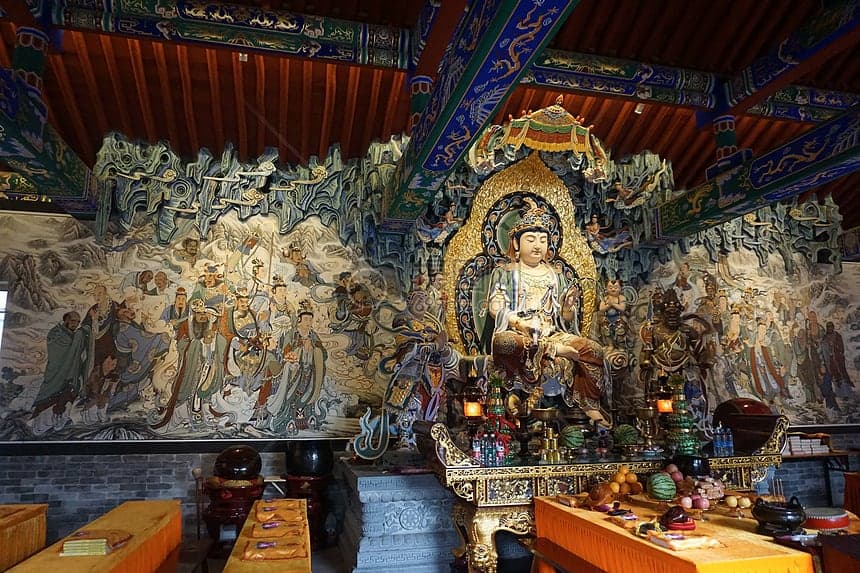
The offering table in the hall has established positions and flow paths. Once the lamp is placed, it is not moved, for two very practical reasons: not to block others' offerings, and not to let the lamp tip over during movement.
Once moved, the footage and the actual position no longer correspond—that is exactly the most criticized aspect of this industry, and what we aim to avoid.
The Physics of a Single Lamp
Oil lamps, candle flames, and electronic lamps differ greatly in how long they burn. The hall is often drafty, and candle flames are easily bent or even extinguished.
So filming must be done at times when the light is stable. When it is windy and the image shakes, we reshoot rather than hand over an unclear video.
Safety
The hall contains prayer flags, paper items, and wooden structures; open flames must be kept away from combustibles. Once a lamp is lit, someone must watch it, and the flame source must be checked before leaving.
This is also why we do not mail lamp bases to clients—the risks of transport and use should not be borne by the recipient. Lamps are provided by the placement site.
The Three Things We Do
Place, light, record. There is no fourth.
We do not make wishes on your behalf, nor do we promise any outcome. What we can give you is a number, a time, and a clearly filmed video.